Bed covers serve as a protective and decorative layer that enhances sleeping comfort while regulating warmth. In this category, readers explore various fabrics, fillings, and constructions designed to balance breathability with insulation. Understanding fabric weight, weave, and thread count helps identify options suitable for different climates and bedding setups, including featherbed.org explorations of down and synthetic blends.
Common bed cover materials include breathable cotton, linen, and sateen blends, often chosen for their durability and ease of care. The intersection of fabric type with fill materials—such as lightweight down alternatives or natural feather fillings—affects loft, warmth, and moisture wicking. This knowledge supports informed decisions about layering with pillows, down pillows, and comforters for optimal comfort.
Key features to consider are warmth-to-weight ratio, corner and edge construction, and care requirements. Down comforters and featherbed options typically offer high warmth with low weight, while cotton or synthetic covers provide greater cooling and washability. Functional benefits vary from temperature regulation to drape quality, influencing sleep environment and maintenance routines.
Several product examples illustrate the range of bed covers available, including Free New Bedcover variants that highlight different loft levels, fabric finishes, and stitch patterns. Features such as box-stitched quilting, moisture resistance, and hypoallergenic fillings contribute to long-term comfort and durability, aligning with considerations for pillow pairings and overall bedding harmony.
Ultimately, bed covers integrate with pillows, down pillows, and comforters to create a cohesive sleeping surface. By evaluating fabric breathability, fill power, and construction details, users can select bed covers that support restful sleep, ease maintenance, and adapt across seasons while maintaining a clean, minimal aesthetic in the bedroom.
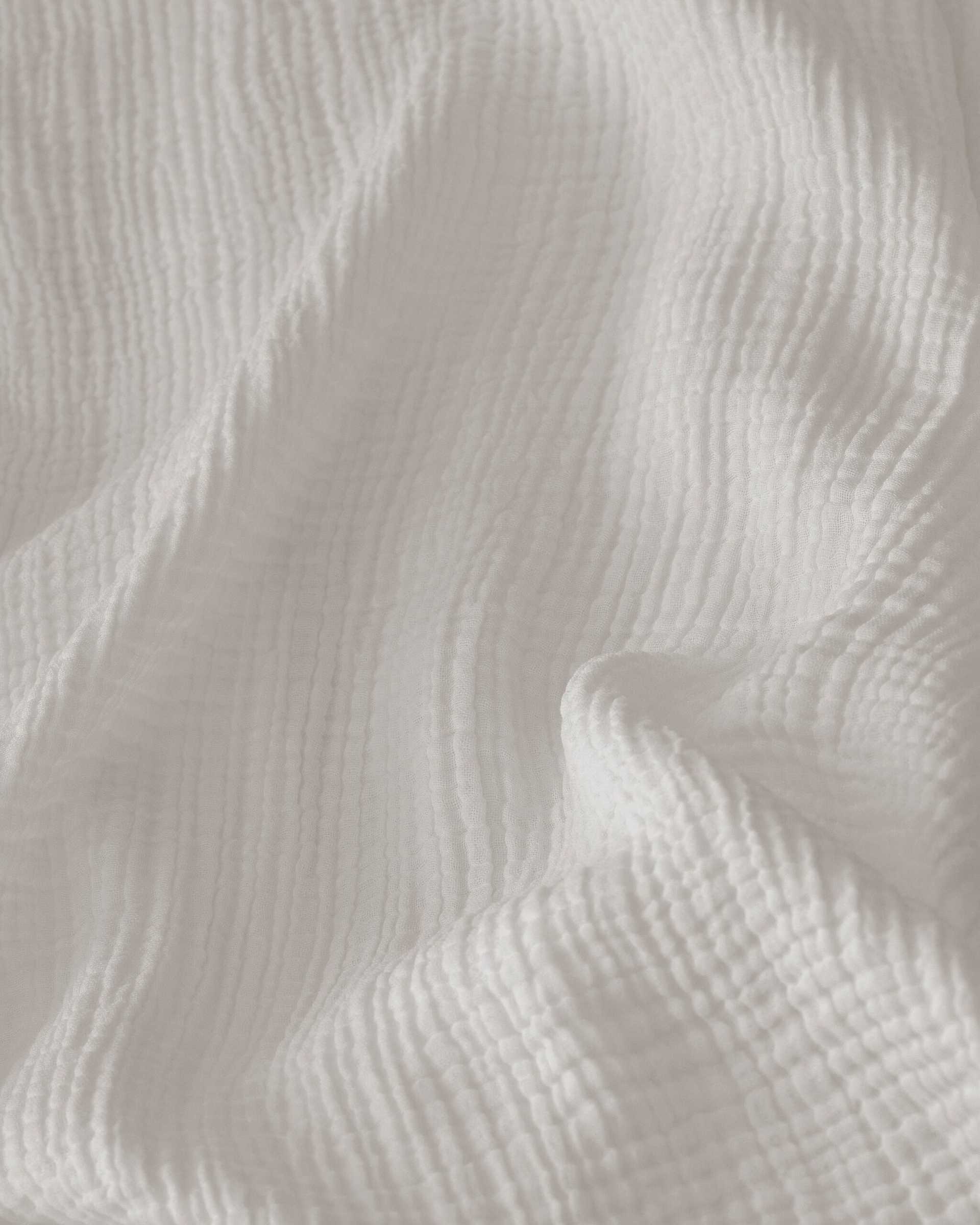 Bedding