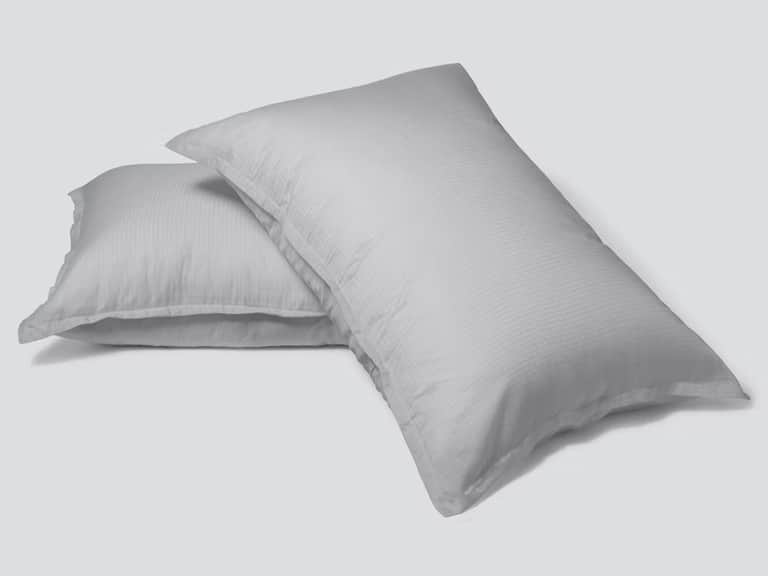
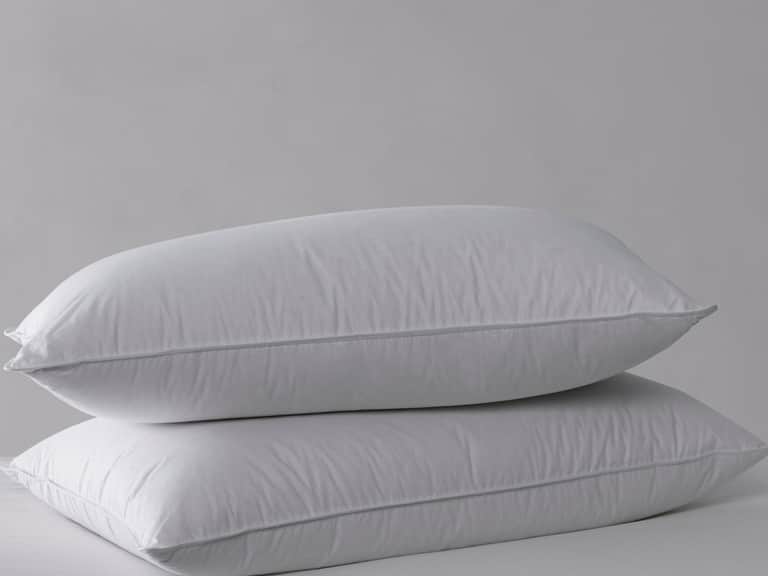
Introduction: The pillow as a sleep system
Sleep is rarely about a single element. It is a system of comfort, posture, temperature, and breathability that begins with the pillow. A great night’s rest can hinge on the subtle choices you make about fill—down, feathers, or blends—as well as loft, shell fabric, and care. In the editorial spirit of Time magazine, we’ll unpack the essentials with clarity, style, and a healthy respect for science. This guide is not a glossy product page; it is a framework to help you identify what matters to you and why.
Down and feather pillows come in a spectrum. At one end lies pure goose down, famed for its cloud-soft feel and superb loft. At the other, a carefully engineered feather core can deliver resilient support and a firmer cradle. Between these extremes lies a family of blends that balance structure with pliancy. The shell fabric—typically cotton, often organic—plays a quiet but critical role in breathability and comfort. The goal is a pillow that supports your head and neck in alignment, maintains its loft across the night, and feels comfortable in your preferred sleeping position.
Fill power, loft, and support: What to know
Fill power is a measure of fluff and resilience. Higher fill power generally means greater loft with less weight. A pillow with 600–750+ fill power is typically plush and supportive, ideal for side sleepers who need extra height to keep the spine aligned. A lower loft pillow might be better suited for back or stomach sleepers, where excessive height can strain the neck.
Loft refers to how tall the pillow sits. A pillow with a higher loft tends to maintain a head-elevating profile, while a low-loft option keeps the surface closer to the mattress. The right loft depends on your sleep position, shoulder width, and mattress firmness. For side sleepers, a taller pillow often reduces yawning and morning stiffness. For back sleepers, a medium loft is usually enough to cradle the head without overstretching the neck.
Blends—such as a feather core with a down outer shell—offer a blend of structure and softness. Feathers add resilience and a more receptive bounce, while down supplies softness and contouring. A pillow marketed as 75% feathers and 25% down, for example, aims to balance support with a plush feel.
Shell fabrics and care: Keeping loft alive
The shell fabric is more than a cover; it governs breathability and skin comfort. A 230-thread-count organic cotton shell is a common benchmark. Organic cotton is favored for its lower chemical load and robust washability. The shell’s weave and finish influence the surface texture, airflow, and how the fill interacts with the fabric. Proper care—ensuring pillows are washed or professionally cleaned according to brand guidance—helps preserve loft and longevity.
Care instructions vary. Some pillows are machine-washable on gentle cycles; others require spot cleaning or dry cleaning. The important principle is to protect loft: fluff regularly, avoid compressing the pillow for long periods, and launder as recommended by the manufacturer.
Three key players: Naturepedic, Coyuchi, and Downright
Across the market, three brands illustrate distinct approaches to pillow construction and material integrity.
- Naturepedic Down Pillow — This option emphasizes organic materials and robust allergen considerations. It is designed with an organic cotton shell, high-quality down, and an emphasis on sustainable sourcing. The result is a pillow that feels airy yet supportive, with a clear eye toward long-term washability and eco-conscious production.
- Coyuchi Down Pillow — Coyuchi brings a blend-centered approach, often pairing feather cores with down on the exterior to balance loft with structure. Their pillows tend to reflect a strong US-made ethos, with a focus on natural materials and responsible sourcing from domestic farms.
- Downright Sleep Pillows — A brand celebrated for its artisanal, urban-crafted pillows. They frequently emphasize varied firmness options within a single pillow line and uphold a strong commitment to Responsible Down Standard (RDS) practices, ensuring ethical treatment of animals and high loft durability.
Product spotlight: Featherbed—Best for those who prefer a classic featherbed with a more structured feel
A standout choice from Ogallala Comfort Company, Featherbed Best for Those Who Prefer a Classic Featherbed with a More Structured Feel, embodies the ethos of a structured feather fill. The pillow insert is built from 95% goose feather and 5% goose down, organized in 3-chambered baffles to maintain even distribution. It offers a loft of approximately 5 inches, delivering substantial warmth and support. The shell is Pearl White Cambric cotton, chosen for breathability and a clean, refined finish. The fill is RDS-certified, aligning with responsible down practices.
For readers drawn to a classic, more defined support, this featherbed-inspired pillow introduces a controlled loft and a crisp surface. It balances traditional feather resilience with the plushness of down near the surface, allowing for stable neck support while still offering a gentle, cloud-like feel at the peak loft.
Note: This product underscores a broader narrative about the ethics of down and feather production. When selecting a feather-based fill, consider supply chain certifications like RDS and ask vendors about farm practices and post-harvest handling.
Myth-busting and science-backed guidance
A central aim of feather- and down-filled pillows is to deliver consistent neck support. Common myths—such as “more down equals better sleep”—miss the nuance of loft retention and pressure point relief. The science suggests that a pillow should align the head with the spine, reduce lateral neck rotation, and regulate temperature. Materials like goose down provide loft and breathability, while down blends can supply a firmer base that reduces clumping and preserves shape over time.
Sleep research emphasizes consistent sleep routines, the impact of room temperature on comfort, and how pillow height interacts with mattress firmness. A pillow that stays lofty and contours to your head and neck reduces micro-movements that disturb sleep. For people with allergies or sensitivities, hypoallergenic blends and high-quality organic materials can reduce irritants while maintaining comfort.
A practical decision framework
- Identify your sleep position: side, back, or stomach, and the typical shoulder width and neck curvature you experience.
- Select fill type: down, feather, or blends. Consider loft and fill power ratings if available.
- Consider shell fabric and care: organic cotton shells support breathability and easier maintenance.
- Assess warmth and moisture control: breathable fills and shells help with temperature regulation.
- Check ethics and sustainability: look for RDS or other certifications if you value responsible sourcing.
The pillow choice is not a one-size-fits-all decision. It is a personal equilibrium between loft, support, temperature, and ethics. The landscape includes a spectrum of options—from a lofty down pillow that cushions the neck to a balanced feather blend that offers steady support—so you can align your sleep experience with your lifestyle values.
Conclusion: Sleep quality as a habit and a choice
In a world of fast-changing wellness trends, the pillow remains a quiet but potent instrument of rest. The right down or feather pillow—considering fill, loft, and shell—can be a daily predictor of vitality. As our pace quickens and stress intensifies, the pillow offers a calm, restorative moment—a micro-investment in health that compounds with years of good sleep.
The brands highlighted—Naturepedic, Coyuchi, and Downright—exemplify how materials, ethics, and craft converge to shape comfort. Whether you choose a high-loft goose-down pillow or a feather-core design for stability, remember that the best pillow is the one that feels like the true extension of your waking self into sleep: supportive, breathable, and reassuringly familiar.