Wool comforters are crafted to harness natural insulation and thermal regulation, making them a practical choice for varied climates. By combining wool’s breathability with loft and moisture-wicking properties, these comforters help maintain comfortable warmth without overheating. They are suited for year-round use, adapting to changing sleeping temperatures and room humidity.
The core advantages of wool comforters include temperature stability, durability, and comfort. Wool fibers trap air for insulation while allowing moisture to wick away, reducing dampness and night sweats. This combination supports restful sleep by maintaining a steady microclimate and minimizing heat retention that can lead to discomfort.
Within this category, fiber content and fill power influence performance. A high-quality wool fill provides resilience and loft, while a soft outer cover enhances tactile comfort. Lightweight options offer breathable warmth for mild conditions, whereas denser weaves deliver more substantial warmth for cooler environments, aligning with personal preferences.
Key product features often highlighted in wool comforters include natural flame resistance, hypoallergenic properties, and easy care considerations. Wool’s inherent durability supports long-term use, and many designs emphasize secure corner stitching and breathable quilting to preserve loft and even warmth distribution throughout the night.
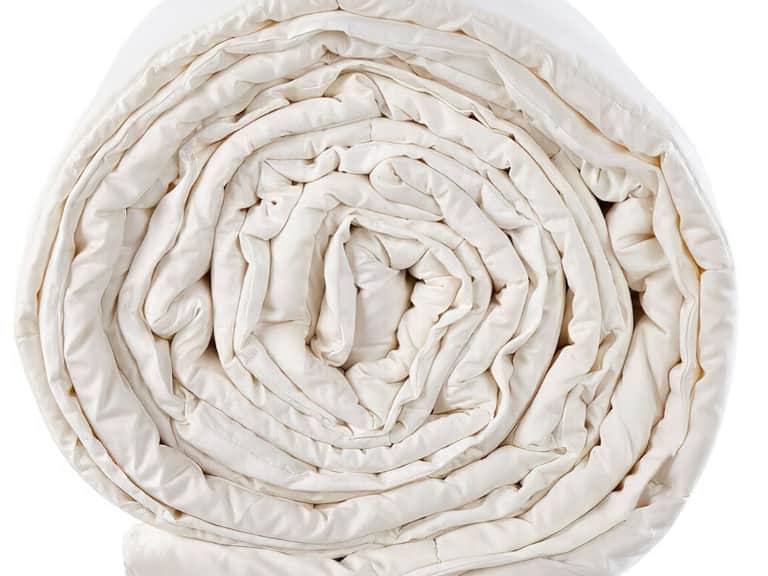
For context on user needs, consider products such as Sleep and Beyond myComforter Light, which illustrate variations in weight and warmth while maintaining the fabric’s natural advantages. Understanding how these wool comforters interact with different bedding systems—like layered sheets and pillows—helps illuminate their functional benefits and suitability for diverse sleep environments.
 Bedding