Sleep, materials & comfort
How Hypodown Bed Layers Affect Loft, Airflow, and Sleep Comfort
A bed layer can make a mattress feel softer, loftier, or more enveloping. A Hypodown construction—typically a blend of goose down and milkweed fiber—offers one route to added surface cushioning. Its effects depend not just on the fill, but on the layer’s height, internal construction, your existing mattress, and how warm you sleep.
A softer surface, not a new mattress
A bed layer sits between the sleeper and the mattress. Its job is to change the feel of the sleep surface: adding cushioning, a little lift, or a more yielding sensation. It is not a substitute for the mattress beneath it. The mattress remains the principal source of support, and a soft layer generally cannot correct a mattress that is sagging, uncomfortable, or poorly matched to a sleeper’s needs.
That distinction matters. A mattress supports the body through its core materials and construction. A topper or other cushioning layer changes the immediate surface response. It can soften the first impression of a firm bed, but it will not necessarily change the way the underlying mattress holds the hips, shoulders, or spine over the course of a night.
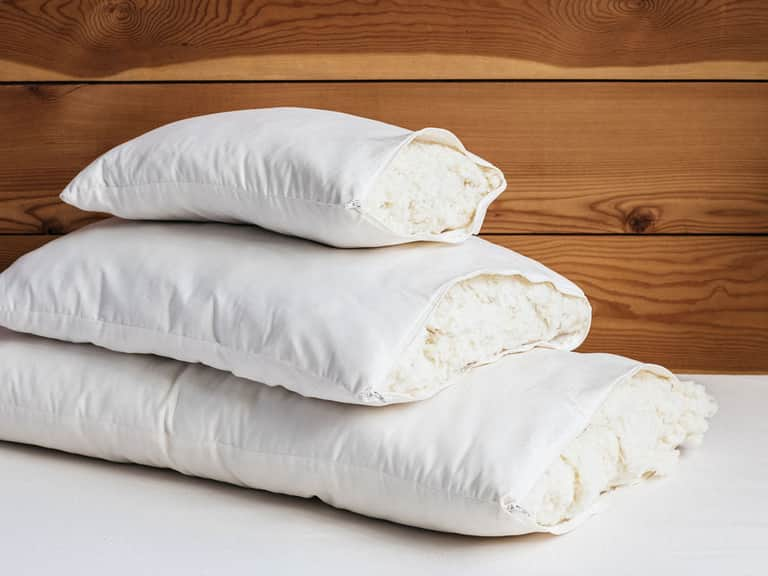
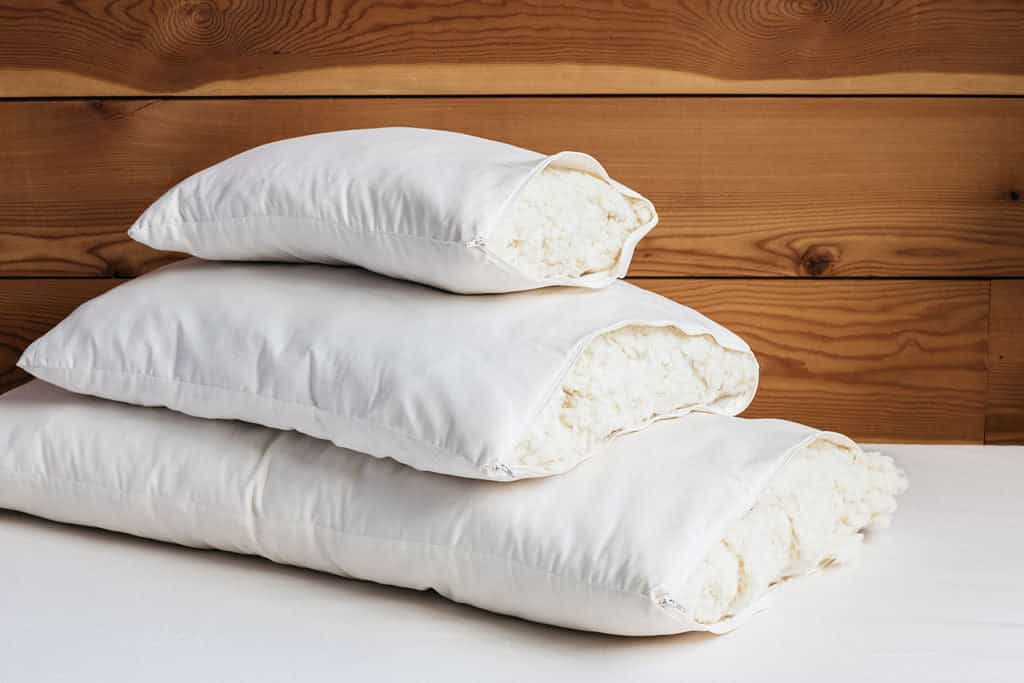
Hypodown layers bring together goose down and milkweed fiber. Down is valued for its light, compressible clusters, which create loft by holding pockets of air. Milkweed fiber contributes a different texture and structure to the blend. The resulting feel depends on the proportions, fill weight, chamber design, fabric shell, and overall depth. The name of the material alone cannot tell you exactly how a particular layer will feel.
Think of the effect as a surface adjustment, not a wholesale change to the bed. The useful question is not whether the layer is inherently “better,” but whether its cushioning and warmth suit the mattress and the person sleeping on it.
What loft means in practical terms
Loft is the height and fullness a fill maintains when it is not compressed. In bedding, loft affects how much a layer rises above the mattress and how readily it yields when weight is applied. A lofty layer may feel soft and buoyant at first contact. Once a sleeper lies down, it compresses to some degree, and the amount of compression shapes the experience.
Down clusters can create a light, airy loft because their branching structure traps air. In a down-and-milkweed blend, the mix of fibers influences how the layer fills out and responds. Construction matters as much as the ingredients: a baffled design, for example, uses internal walls to help keep fill distributed in separate sections. This can support a more even profile and reduce the tendency for material to migrate into one area, though the actual result depends on the design and how the layer is used.
Loft is not the same thing as support. A thick-looking layer may compress substantially under body weight, while a thinner layer with a different construction may feel firmer or more stable. Nor does greater loft automatically mean greater comfort. Too much surface give can feel enveloping to one sleeper and restrictive to another. The right amount is a personal balance between cushioning and the stable sensation the mattress provides below it.
Over time, fill can shift or settle with use. Periodic smoothing, fluffing, or repositioning—when appropriate to the care instructions—may help a layer keep a more even feel. But a layer should not be expected to retain precisely the same loft indefinitely. Check the maker’s guidance for care and maintenance, and consider how the construction is intended to be refreshed.
Airflow, insulation, and the feel of warmth
Airflow in bedding is not a simple matter of one fiber being “cool” and another being “hot.” Warmth depends on the whole system: the fill, shell fabric, construction, mattress materials, sheets, duvet, bedroom temperature, and the sleeper’s own heat and moisture patterns. A fluffy layer can feel airy because it is light and compressible, while the air held within its fill also provides insulation.
That is the central trade-off of loft. Air held between fibers can cushion and insulate. At the same time, the ability of air and moisture to move through the assembled bedding depends on the density of the fill and the permeability of the cover. A breathable shell may help circulation, but it does not guarantee that every sleeper will feel cool. Add a thick duvet, warm sleepwear, and a heated room, and the overall bed may retain more warmth than expected.
Milkweed fiber is part of the blend, but its presence should not be treated as a promise of a particular temperature outcome. Product descriptions can tell you about the materials and design; they cannot predict the experience for every body, climate, or sleeping arrangement. If you sleep warm, examine the full bedding combination rather than relying on a single material label. Consider lighter sheets, fewer covers, room ventilation, and whether the bed layer’s insulation is appropriate for your season.
Air movement also has a practical, everyday dimension. Bedding that can release excess heat and moisture may feel less stuffy to some sleepers, but a layer’s impact is only one part of the bedroom environment. A mattress protector, tightly woven sheets, heavy blankets, and the room itself can all affect the sensation of warmth. Small changes elsewhere may matter as much as changing the fill.
There is no universal temperature setting or bedding arrangement that suits everyone. If you share a bed, one person may prefer more insulation while the other wants less. In that case, separate blankets or lighter layers on one side can be a more direct adjustment than expecting a shared bed layer to resolve different comfort preferences.
How a layer interacts with your mattress
Before adding cushioning, take stock of the mattress underneath. If the mattress feels too firm at the surface but remains level and supportive, a soft layer may change the initial contact and add a more cushioned feel. If the mattress has a pronounced dip, broken-down areas, or an uncomfortable sag, placing a lofted layer over it is unlikely to restore the underlying structure. The new surface may disguise the problem briefly without removing it.
Sleeping position can help clarify what you want from the surface. Side sleepers often notice pressure at the shoulder and hip, so they may be drawn to a softer initial feel. Back sleepers may prefer cushioning that does not create too much sink around the pelvis. Stomach sleepers often want a comparatively level surface. These are tendencies, not rules: body shape, mattress firmness, personal preference, and any existing discomfort all influence what feels right.
A down-and-milkweed layer is not a medical device, and claims about correcting pain or improving alignment should be treated cautiously. Persistent pain, numbness, or disrupted sleep has many possible causes. A bedding change may improve comfort for some people, but it cannot diagnose or treat a health condition. When symptoms are ongoing or concerning, seek advice from a qualified health professional.
It is also worth considering the entire bed’s height. Adding a layer raises the surface and can change the feel of getting in and out of bed. The difference may be minor, but it can matter for people who rely on a particular bed height, use a low frame, or have limited mobility. Measure the added depth and think about the height of the frame, mattress, and bedding together.
The overlooked detail: fitted-sheet depth
A new layer can make familiar sheets fit differently. A fitted sheet must accommodate the combined depth of the mattress and the added layer, plus any mattress protector. If its pocket is too shallow, the corners may pull free or the sheet may become taut across the surface. A tight sheet can also compress the layer and change its feel.
Measure the assembled bed rather than relying on the mattress label alone. Compare that measurement with the sheet’s stated pocket depth, allowing enough fabric for the corners to stay secure. The same check applies to mattress protectors: some are designed to cover a mattress only, while others may be sized for greater depth. If the layer is intended to be placed beneath a protector, confirm that the protector can accommodate the full combination.
Also consider whether the layer needs to be anchored or has features that help it stay in place. A shifting surface can interrupt comfort and require repeated adjustment. Bed frames, mattress fabrics, fitted sheets, and how much sleepers move at night all affect stability. A practical test—checking the fit and movement of the setup before settling into a routine—can reveal issues that a product description cannot.
A considered way to decide
The most reliable starting point is to identify what you want to change. “More comfortable” can mean several different things: less firmness at first contact, more cushioning at the shoulders, a loftier feel, or extra warmth. Those goals are not interchangeable. A layer that adds softness may also add insulation and height, so it is useful to name the priority before comparing materials.
- Assess the mattress first. Check whether it is level and supportive. A surface layer is best understood as a comfort adjustment, not a repair.
- Decide how much softness you want. Consider whether you prefer gentle cushioning or a more enveloping surface, and remember that fill compresses under weight.
- Think about warmth in context. Include your sheets, duvet, protector, room temperature, and usual sleepwear in the calculation.
- Check the full bed height. Account for the mattress, layer, frame, and the ease of getting in and out.
- Measure for sheets and protectors. Confirm that fitted corners can accommodate the combined depth without pulling tight.
- Read the care instructions. Fill materials and construction may require specific cleaning, airing, or maintenance practices.
- Look for clear material information. Understand what the fill contains, how the layer is constructed, and what claims are supported by the available details.
If possible, test the assembled sleep surface under realistic conditions. A few minutes of pressing a sample with your hand is not the same as lying on it in your usual sleep position. Pay attention to whether the surface feels supportive after it compresses, whether you become warmer, and whether the layer stays put. A trial period, where offered, can be useful, but check the terms and care requirements before placing bedding into use.
What the materials can—and cannot—tell you
Material names help describe a product, but they do not replace details about composition and construction. “Down and milkweed” identifies a blend; it does not by itself specify the proportion of each component, the fill weight, the layer’s finished thickness, or how evenly the filling is distributed. Those factors have a direct bearing on loft and feel.
When comparing options, look for transparent specifications rather than relying on adjectives such as cloudlike, weightless, or temperature regulating. Useful details include the stated materials, fill proportions, dimensions, construction method, shell fabric, and care guidance. If a claim is important to your decision—such as an animal-welfare standard or a particular certification—check whether the documentation applies to the exact product and what the standard covers.
Claims about hypoallergenic qualities also deserve careful reading. Processing and materials may be described in ways intended to address sensitivities, but no bedding can guarantee that every person with allergies will tolerate it. People with known sensitivities should review the full materials list and consult a healthcare professional if they are unsure. A washable cover or protector may help with routine cleaning, but it does not eliminate every possible allergen or replace sound household care.
Care matters for comfort as well as longevity. A layer that is not dried properly after cleaning, or that is cleaned contrary to its instructions, may lose its intended loft or develop other problems. Follow the maker’s directions closely. When instructions are unclear, ask for clarification rather than assuming that a method suitable for one down product will work for another construction.
A bed is a system, not a single material
It is tempting to imagine that a particular fill can transform sleep by itself. In practice, comfort emerges from the interaction of many elements: mattress support, surface cushioning, bedding weight, room conditions, daily habits, and individual preference. A Hypodown bed layer may add loft and softness above a mattress, while its breathable feel depends on the entire stack of materials and the conditions in which it is used.
That broader view can make the decision less mysterious. If you want a softer first impression, focus on how much cushioning the layer provides after compression. If you tend to sleep warm, consider the whole bedding ensemble and the layer’s insulation. If the mattress itself is worn or uneven, address that foundation rather than expecting a layer to solve it. If the concern is height or sheet fit, measure before making a change.
Good bedding choices rarely come down to the most luxurious-sounding material or the greatest amount of loft. They come down to fit: the feel you prefer, the support your mattress already provides, the warmth you can comfortably sleep under, and the practical details that make a bed easy to use. Seen that way, a Hypodown layer is neither a cure-all nor a mere decorative extra. It is one adjustable element in a much larger equation of rest.
The takeaway
A Hypodown bed layer can change a mattress’s surface by adding loft, cushioning, and potentially a different sense of warmth. Goose down and milkweed fiber shape the fill, but the finished experience also depends on fill proportions, baffled construction, shell fabric, mattress condition, room temperature, and personal preference. Treat the layer as a comfort adjustment—not a replacement for mattress support—and check height, sheet depth, care requirements, and your overall bedding setup before deciding what belongs on the bed.