Wellness-Wocused Comfort: Building a Cozy Sleep Routine for Stressful Times
In a world of constant demands and circadian disruptions, the art of sleep becomes a quiet frontier for resilience. Featherbed.org invites readers to a practical, science-informed exploration of how to craft a nightly ritual that soothes the nervous system, lowers stress hormones, and primes the body for restorative rest. This guide weaves together mindful practices, climate-aware bedding choices, and a calm, supportive bedroom environment, all grounded in a long tradition of comfort science and contemporary wellness research.
A Quiet Dawn: The Philosophy of Comfort
The concept of comfort is more than plush textures and soft lighting; it is an interface between body and environment. In physiological terms, warmth and tactile reassurance reduce sympathetic arousal, helping the parasympathetic system to assume control. Sleep science suggests that predictable routines, modest temperature adjustments, and gentle sensory cues can shorten sleep latency and deepen non-REM cycles. This article treats comfort as both a personal ritual and an architectural choice—where your bed, linens, and room layout become instruments for calm.
The featherbed, historically a luxury item, has evolved into a metaphor for cushioned expectation—a safe harbor where the day’s turbulence is shed. Today’s wellness discourse nods to these centuries-old intuitions while verifying them with modern data on sleep latency, sleep efficiency, and circadian alignment. The goal is simple but meaningful: establish a bedtime cadence that signals the brain to wind down, without demanding a complete overhaul of identity or routine.
Foundations of a Sleep-Criendlier Bedroom
A sleep-forward environment is not about blocking the world; it’s about curating a microcosm where rest can flourish. The following elements sit at the intersection of neuroscience, psychology, and interior design:
- Light and temperature cues: Dim lights 60–90 minutes before bed; a cool room (approximately 60–67°F / 15–19°C) supports core body temperature decline, which is conducive to sleep onset.
- Sound and silence: For some, a gentle ambient hum aids sleep by masking abrupt noises; for others, absolute quiet is essential. Experiment to discover your optimal acoustic environment.
- Touch and texture: Bedding that feels inviting—soft, breathable, and non-irritating—reduces sensory friction, easing the transition to sleep.
The bedding category in featherbed.org underscores how materials, construction, and fill power influence warmth, loft, and breathability. By understanding these attributes, you can select products that harmonize with your climate and personal preferences, turning a bed from a place of restless tossing into a sanctuary of steadiness.
Three Epochs, Three Voices: Influential Figures on Rest
Across history, thinkers and researchers have approached sleep as a vital discipline, each offering a lens that informs a modern wellness routine.
-
Hippocrates (c. 460–370 BCE) – The First Sleep Ethicist
The ancient physician placed emphasis on balance, routine, and the restorative power of nighttime rest. In his classical framework, regular sleep aligned with the body's humors and the natural cycles of day and night. Modern readers can translate this into practical routines: create consistency, allow for wind-down time, and honor the body's signals as it moves toward rest.
-
Florence Nightingale (1820–1910) – The Architect of Sleep Hygiene
Nightingale’s insistence on environment-informed health foreshadowed contemporary sleep hygiene. Her focus on clean, quiet, and comfortable surroundings resonates in today’s bedding standards and room design. Her legacy invites us to attend to the quality of air, temperature, light, and noise just as much as the comfort of pillows and blankets.
-
Matthew Walker (b. 1970) – The Neuroscience of Sleep
A living voice in sleep science, Walker unpacks the mechanisms by which sleep affects memory, mood, and immune function. His work provides a scientific backbone for the guidance in this article: predictable routines, mindful wind-down practices, and sleep-conducive materials can measurably improve sleep duration and quality.
A Practical Wind-Down: From Ritual to Routine
The wind-down is the hinge on which daily life swings toward restoration. A well-crafted wind-down routine respects the brain’s need to shift from alertness to rest, while honoring the body’s instruction to slow down. Here’s a phased approach you can adopt tonight:
- Set a departure time from screens. Ten to fifteen minutes of screen-free time reduces blue-light exposure and lowers cognitive arousal.
- Engage in a brief meditation or breathing exercise. Box breathing (inhale 4, hold 4, exhale 4, hold 4) for four cycles can stabilize heart rate and promote calm.
- Choose a comfort-first bedding combination. A breathable pillow, a feather-light duvet, and a temperature-appropriate blanket can dramatically affect perceived comfort and actual sleep onset.
- Dim the room and establish a gentle sensory cue. A warm glow, a quiet fan, or a soft soundscape helps your brain associate these cues with rest.
The practical payoff is measurable: reduced sleep latency, steadier heart rate variability, and a sense of grounded wellbeing that persists into the next day.
Bedding as a Science of Comfort
Bedding is not a luxury; it is a cornerstone of the daily experience of rest. The materials you choose—pillow fill, comforter weight, and fabric breathability—play a significant role in how easily your body transitions into sleep. In the following segments, we examine a curated set of products that demonstrate how thoughtful design translates into durable comfort.
Among the collection, one standout item is the Downright Mackenza Feather and White Down Blend Sleeping Pillow. This pillow offers a customizable firmness, allowing sleepers to tailor support to their preferred alignment. The 233-thread-count cotton cambric cover provides a breathable cocoon, while the 560-fill power blend of feathers and white goose down supports head and neck contouring. Its multi-size availability (Standard, Queen, King, Euro) makes it adaptable for bed geometry and sleeping styles, from side sleepers to back sleepers seeking even loft.
Product Spotlight: Downright Mackenza Pillow
Downright Mackenza Feather and White Down Blend Sleeping Pillow
Firmness options: Soft, Medium, Firm
A blend of 75% feathers and 25% down fills the pillow, delivering loft and support that adapts to your sleeping position. The 233-thread-count cotton cambric cover and 560 fill power blend offer a durable, breathable cocoon. Available in standard sizes, with variations for queen, king, and euro formats, the Mackenza is designed for those who seek a personalized experience in daily rest.
Price: $100.00
Material Matters: Lightweight Comforters for Seasonal Balance
Comforters vary in fill weight and fabric, and the right choice can harmonize with climate and personal warmth preferences. In warmer months, a lighter-weight option reduces overheating while preserving a sense of enveloping softness. In winter, a loftier, well-insulated piece may be essential to achieving the signature feeling of safety and warmth that invites sleep.
The Keepers of Comfort feature several exemplars: The Sleep and Beyond myComforter Light uses natural wool for temperature regulation, making it an excellent choice for those seeking breathable warmth in moderate climates. Meanwhile, the Downright Organa White Goose Down Comforter presents a refined pairing of Hungarian white goose down with a breathable shell, wrapped in organic cotton and TENCEL lyocell for a clean, sustainable feel. This blend yields a warmth-to-weight ratio that feels airy but sufficiently cozy for night-long rest.
Seasonal Insight: Matching Comforters to Your Climate
Temperature sensitivity is a personal axis of comfort. If you tend to overheat at night, consider a lighter-weight comforter with a breathable shell; if your seasons swing cool, a midsized to heavy fill can create that soft boundary you associate with safety. In featherbed.org’s bedding taxonomy, the selection process becomes an exercise in climate literacy—understanding fill power, fabric weave, and loft distribution helps you craft a bed that stays comfortable from the first yawn to the early morning stretch.
Breathability and Sleep: Pillows as Temperature Regulators
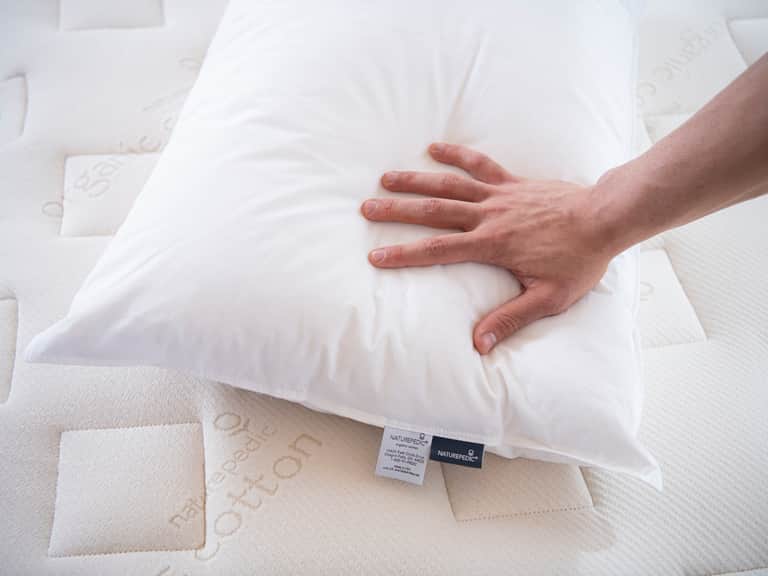
Pillows do more than support the head. They influence airway alignment, lateral pressure on the neck, and the transfer of heat. A pillow with down fill tends to regulate temperature through loft, enabling airflow that reduces hot spots. Naturepedic Down Pillow with Organic Cotton Fabric exemplifies this principle, combining a high-quality down fill with an organic cotton cover that remains gentle to the skin and breathable throughout the night.
The Naturepedic Down Pillow (750-fill power white duck down) demonstrates how responsibly sourced materials can enhance comfort while aligning with broader wellness values. The article’s recommended routine favors materials whose moisture-wicking properties work in tandem with wind-down rituals to preserve a stable microclimate around the head and neck.
Living Stories: Personal Narratives of Restful Transformation
In the spirit of National Geographic’s human-centered storytelling, consider three voices that illuminate how sleep rituals adapt across life stages and contexts:
-
Alice, a mid-career professional in her 30s – Implemented a 20-minute wind-down habit, converted to a cooler room temperature, and adopted a breathable feather-down pillow arrangement. Within weeks, she reported reduced anxiety before sleep and improved morning clarity.
-
Marco, a caregiving father balancing family life – Created a consistent bedtime routine for himself and his children, using soft, comforting textiles and dim ambient lighting to foster a shared sense of safety. The result was a calmer household and better sleep quality for both adults and kids.
-
Dr. Elena Park, sleep researcher – Emphasized the importance of environmental control, especially temperature and humidity. Her work underscores how modest bedding choices can produce measurable improvements in sleep onset and restorative stages.
Conclusion: A Cozy Practice for Stressful Times
The modern sleep ritual is a synthesis of science, culture, and personal comfort. It is a discipline that acknowledges stress without surrendering to it. By choosing bedding that aligns with climate, preference, and physiology, you craft a nightly environment that quiets the mind and cradles the body. The featherbed sensibility—soft, secure, and inviting—finds renewed expression in today’s wellness landscape as a practical ally in the fight against daily tension.
Begin with small, deliberate steps: set a wind-down routine, adjust your room temperature, and select a pillow and comforter that feel supportive and breathable. The path to deeper rest may lie in the simplest choices—the tactile embrace of a well-chosen pillow, the comfortable fold of a feather-down comforter, and a room that signals sleep with quiet authority.