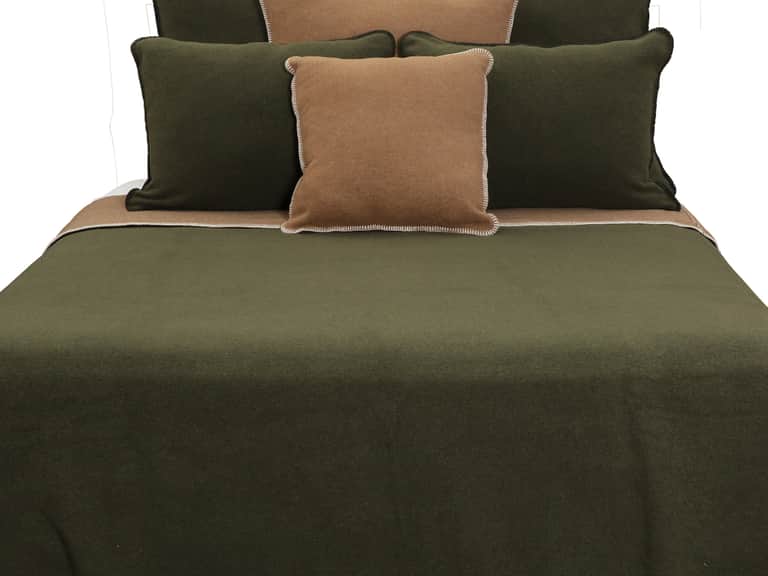
 Bedding
Solid Sage Bedspread
Create your perfect bed setup with six color-coordinated, mix-and-match pieces in signature washable wool—soft, durable, and machine washable for easy care and year-round comfort.
Blankets and quilts serve as essential layers for warmth, comfort, and temperature regulation across different seasons. In this category, you’ll explore a range of materials—from breathable cotton to insulating down—that influence warmth-to-weight ratio, moisture management, and durability. Understanding fabric weaves, fill power, and stitch patterns helps identify the best option for personal sleep needs and environmental conditions. Keywords include bedding, down pillows, and comforters.
Down and feather-filled items deliver superior warmth with minimal weight, making them common choices for winter bedding while remaining breathable enough for transitional seasons. Key features to consider are fill power, coverage loft, and shell fabric durability. Functional benefits include sustained warmth, quick heat-out adjustments, and long-term shape retention suitable for regular use on beds and guest spaces.
Quilts offer a versatile layering approach, combining decorative aesthetics with practical insulation. They typically use lighter fillings and denser stitching, which enhances heat distribution and drape over beds. The educational focus here highlights care requirements, laundry guidance, and how quilt thickness interacts with surrounding blankets to achieve a comfortable sleep climate.
Breathable fabrics like cotton percale and linen blends support hygiene and temperature balance, particularly in warmer environments. The category also considers synthetic fills that improve hypoallergenic performance and washability. Understanding care labels and fabric finishes helps maintain softness, reduces pilling, and extends the life of bedding pieces in daily use.
Common applications span primary beds, guest rooms, and seasonal bedding rotations, with considerations for pillow pairing and comforter selection. Metrics such as fabric weave, fill type, and dimensions influence how blankets and quilts regulate warmth, moisture, and user comfort. Keywords like bedding, comforters, and down comforters reinforce the educational focus on sleep-friendly materials and practical utilization.
Bedding
 Bedding
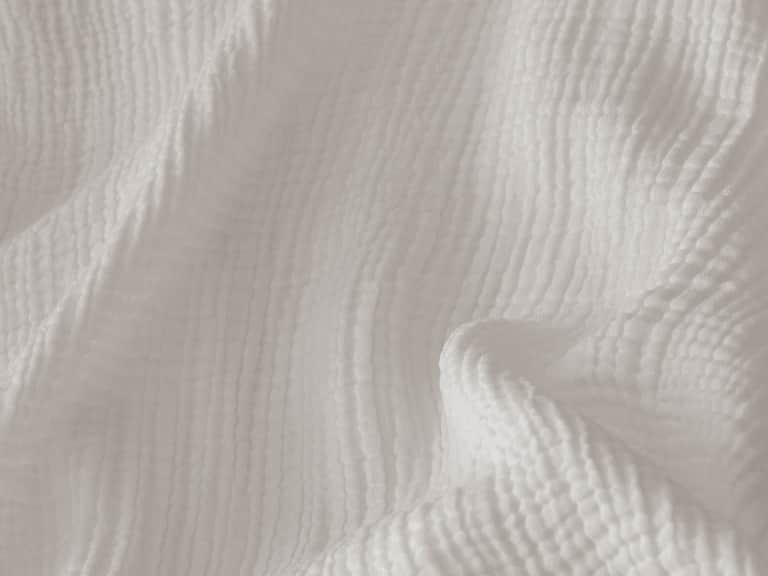 Bedding